
Award winning
Live-in Care

99.8%
client satisfaction score

Top 20 UK Home Care Group 2021 – 2025
Regulated by CQC

UK Live-in Care Association members
99.8%
client satisfaction score

Top 20 UK Home Care Group 2021 – 2025
Regulated by CQC
UK Live-in Care Association members
What is Live-in Care?
Your home, Your care, Your choice.
How much does it cost?
- Local council & NHS – you may be eligible for funding from your local council or the NHS after means testing
- Benefits – there are also benefits like Attendance Allowance, which can help pay for some care at home.
What makes Alina Homecare different?
Specially Trained Carers
The quality of care you receive is directly affected by a care provider’s knowledge and their ability to help others. Our Teams receive exclusive training from our Alina Homecare Academy to meet our exacting standards, helping people stay independent in the comfort of their own home.
Consistency & Compassion
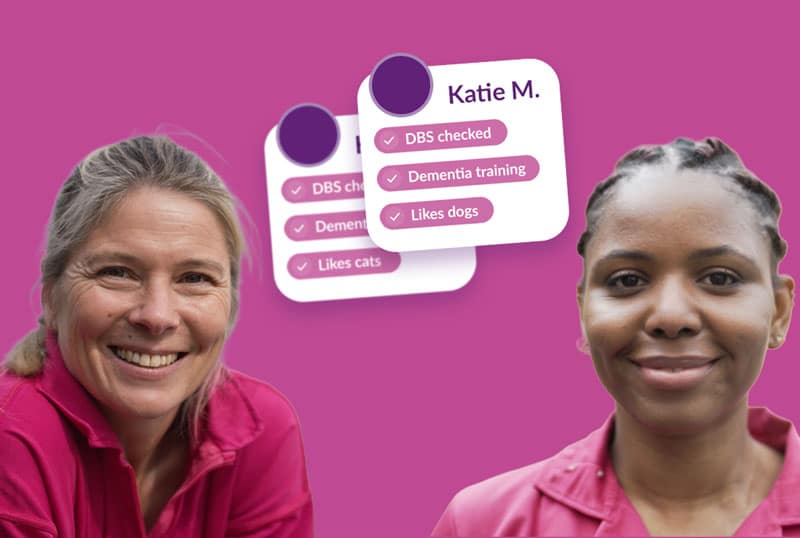
Having the same Carer or Carers is very important for people with cognitive decline. Our local Teams build relationships with you and your loved ones, supported by our central Live-in Team.

Family Focused Care Planning
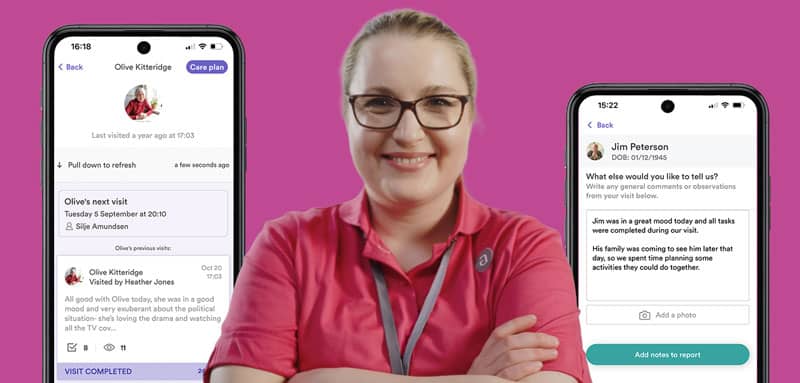
We make sure family members are part of care planning so that care is individualised. With consent, this includes a real time care monitoring app. for the entire family.
Award Winning & CQC Regulated
Top 20 UK Home Care Group 2021-2025. Unlike private carers who may be untrained, all our Carers have full training, meet industry regulations and adhere to strict quality controls.
Top 20 UK Home Care Group
2021 – 2025
2021 – 2025
Why choose Live-in Care?
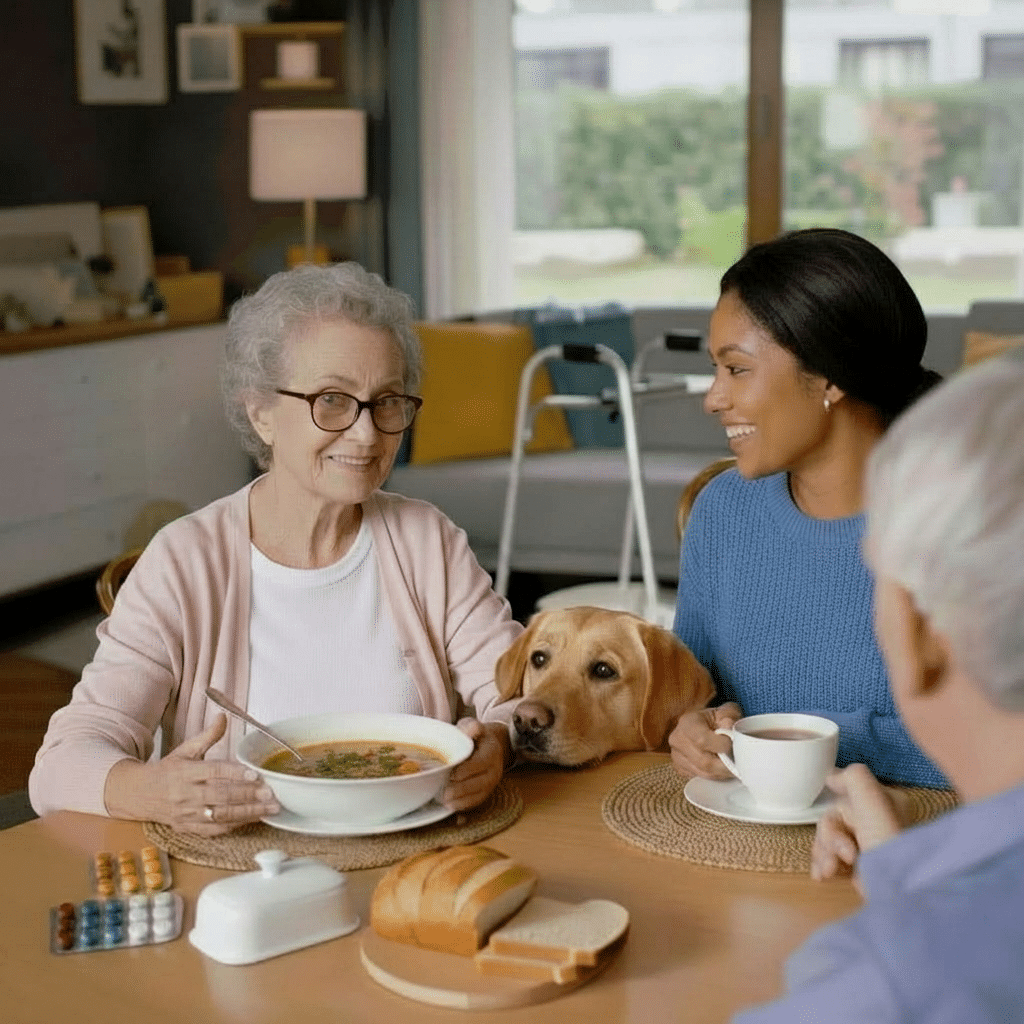
Click the photo to explore Live-in Care…
Home help
Going out
Recovery
Hygiene
Pets
Meals
Medication reminders
Household tasks & home support
Our Live-in Carers provide comprehensive household support to ensure your loved one’s home remains a comfortable and safe environment. From light housekeeping to laundry and tidying, we take care of the daily tasks that keep a home running smoothly.
This support allows your loved one to focus on their wellbeing and enjoy their time at home without the stress of household tasks. Our Carers work according to each person’s preferences and routines, maintaining the home exactly as they like it.
Going out & social activities
Maintaining an active social life and getting out of the house is vital for mental and physical wellbeing. Our Live-in Carers can accompany your loved one on outings, whether it’s shopping trips, visits to friends and family, or attending community events.
With dedicated one to one support, your loved one can continue to enjoy the activities they love with confidence and safety. Our Carers provide transportation assistance and companionship, ensuring every outing is enjoyable and stress free.
Recovery & rehabilitation support
Whether recovering from surgery, illness or injury, having dedicated support at home can significantly improve recovery outcomes. Our Live-in Carers provide personalised care that follows healthcare professionals’ guidance while offering comfort and encouragement.
We can assist with rehabilitation exercises, monitor recovery progress and ensure medication schedules are followed. This comprehensive support in the familiar comfort of home often leads to faster, more comfortable recovery compared to facility based care.
Daily hygiene & Personal Care
Maintaining personal hygiene is essential for health, dignity and self esteem. Our trained Live-in Carers provide respectful, dignified assistance with all aspects of Personal Care, including bathing, dressing, grooming and toileting needs.
We understand how important privacy and dignity are during Personal Care. Our Carers are experienced in providing this sensitive support in a way that preserves your loved one’s independence and self respect while ensuring their safety and comfort.
Pet care support
For many people, pets are cherished family members and an important source of companionship and joy. Unlike residential care facilities, Live-in Care allows your loved one to keep their beloved pets at home.
Our Carers can help with pet care tasks including feeding, walking, grooming and veterinary appointments. This ensures that both your loved one and their pet receive the care and attention they need, maintaining this important relationship that contributes so much to quality of life.
Meal preparation & nutrition
Good nutrition is fundamental to health and wellbeing. Our Live-in Carers can plan and prepare nutritious meals tailored to your loved one’s dietary requirements, preferences and any special nutritional needs.
From grocery shopping to cooking favourite recipes, our Carers ensure regular, balanced meals throughout the day. They can also accommodate special diets for conditions like diabetes, heart disease or food allergies, while making mealtimes an enjoyable social experience.
Medication management & reminders
Managing multiple medications can be complex and confusing. Our Live-in Carers provide reliable medication reminders to ensure medications are taken at the right time and in the correct doses, following healthcare providers’ instructions precisely.
We can also assist with collecting prescriptions, organising medication schedules and communicating with healthcare providers about any concerns. This careful medication management helps prevent missed doses and potential complications, giving families peace of mind.
Live-in Care stories
How to arrange Live-in Care
- Comprehensive assessment of care needs
- Family input and loved one’s preferences
- Personalised care plan development
- Local support services coordination
- We work closely with you
- Specialised care training
- Ongoing care package review
- Immediate care plan implementation
- Personal hygiene and daily tasks
- Companionship and social interaction
- Peace of mind for families
Compare Live-in Care & a care home
| Live-in Care | Care Homes | |
|---|---|---|
| Living Environment | Care provided in the individual’s own home, maintaining familiar surroundings | Residents move into a communal facility with shared spaces |
| Support Availability | Dedicated live-in caregiver offers continuous one to one support | 24/7 staff presence, but carers are shared among multiple residents |
| Carer Expertise | Trained carers focused solely on the individual’s needs | Professionally trained staff, though attention is divided across residents |
| Routine & Lifestyle | Individuals retain control over their own routine and daily choices | Structured schedules with set meal times and activities |
| Health & Safety | Reduced risk of infections and falls due to personalised supervision | Communal living can increase exposure to infections and accidents |
| Regulation | Providers are regulated by the Care Quality Commission (CQC) | Care homes are inspected and regulated by the CQC |
| Management of Care | Fully managed support tailored to the individual, with family involvement | Managed services, but residents may have limited influence over decisions |
| Social Interaction | Caregivers provide companionship, but socialisation depends on external networks | Opportunities for socialisation with other residents in a community setting |
| Flexibility | Flexible care schedule adapted to personal preferences | Daily routine is structured and less adaptable |
| Accommodation | Requires a spare room for the caregiver | Accommodation, meals, and facilities are provided |
| Amenities | Amenities depend on what is available in the individual’s home | Facilities include dining rooms, gardens, and organised activities |
| Respite Care | Easy to arrange short term or respite care | Respite care availability may be limited |
| Quality of Care | Dedicated caregiver ensures consistent and personalised care | Quality can vary depending on the facility and staff ratios |
| Waiting Lists | No waiting list, care can begin immediately | Often subject to waiting lists for admission |
| Personalisation | Care is tailored to individual needs and preferences | Care is less personalised due to group setting |
Our Reviews
9.6 /10
Review Score
★★★★☆
Really caring team, both in the office and also the carers. They have all stepped up to the mark. This has been a challenging time…...
Read more
★★★★★
The team operating out of the Bentley office are incredibly professional and a delight to deal with. They are doing a superb job of caring…...
Read more
★★★★★
I have been very pleased with all the Alina staff who I have met, they have been most professional and caring. I was impressed from…...
Read more
★★★★★
Right from the start, the Alina team were fantastic. Every carer we met was kind and patient, understood our parents needs and enjoyed and appreciated…...
Read more
★★★★★
My mum is still of the opinion that she doesn't need anyone to look in on her and that she can still cope with everything…...
Read more
★★★★★
The staff at Alina have been very helpful and caring when they were providing care for an elderly relative of mine who has recently passed…...
Read more
★★★★★
Thank you so much for giving my mother the independence to continue living in her own home. Helping out with anything and everything needed doing.…...
Read more
★★★★★
We have been using Alina Care for several months to help look after our 98 year old Mum and she was always cared for with…...
Read more
★★★★★
Alina have provided wonderful carers on a continuous basis over a three year period for my mother who is very immobile and required increasing care…...
Read more
★★★★★
I want to sincerely thank Alina Care for the exceptional support provided to my mother. The team is professional, compassionate, and dedicated, creating a warm…...
Read more
★★★★★
I am so impressed with the service my mum receives from Alina Homecare. From making my initial enquiry looking for care for my mum, the…...
Read more
★★★★★
I cannot recommend Alina Homecare highly enough. Without their help I don't know how we would have coped or that my father would still be…...
Read more
★★★★★
I cannot praise the team enough, totally professional and have a great understanding of my parents needs and are very caring. I needed care for…...
Read more
★★★★★
As a family we have had exemplary service from Alina . My mother suffers with Alzheimer's Disease and is still living in her family home…...
Read more
★★★★★
I am extremely happy with the care service from this branch. It is very well organised and well managed and both carers and office staff…...
Read more
★★★★★
I have been a customer since just before Christmas 2025 having been very unhappy with my previous provider. From my first admin meeting to today…...
Read more
★★★★☆
I am submitting this review on behalf of my mum Overall she is very happy with Alina, the staff are supportive and professional, they provide…...
Read more
★★★★★
Vicky from Alina was brilliant from the moment she first met myself and parents to provide excellent support and re-assurance for the short period required…...
Read more
★★★★★
The Alina Team were excellent, from initial call, the assessment which was thorough, and then the followup with details abouts mum's like, dislikes, hobbies, etc.…...
Read more
★★★★☆
It's comforting knowing that my Mum is seen daily, her medications are given and she has some personal contact as she lives alone and we…...
Read more
★★★★☆
Really caring team, both in the office and also the carers. They have all stepped up to the mark. This has been a challenging time…...
Read more
★★★★★
The team operating out of the Bentley office are incredibly professional and a delight to deal with. They are doing a superb job of caring…...
Read more
★★★★★
I have been very pleased with all the Alina staff who I have met, they have been most professional and caring. I was impressed from…...
Read more
★★★★★
Right from the start, the Alina team were fantastic. Every carer we met was kind and patient, understood our parents needs and enjoyed and appreciated…...
Read more
★★★★★
My mum is still of the opinion that she doesn't need anyone to look in on her and that she can still cope with everything…...
Read more
★★★★★
The staff at Alina have been very helpful and caring when they were providing care for an elderly relative of mine who has recently passed…...
Read more
★★★★★
Thank you so much for giving my mother the independence to continue living in her own home. Helping out with anything and everything needed doing.…...
Read more
★★★★★
We have been using Alina Care for several months to help look after our 98 year old Mum and she was always cared for with…...
Read more
★★★★★
Alina have provided wonderful carers on a continuous basis over a three year period for my mother who is very immobile and required increasing care…...
Read more
★★★★★
I want to sincerely thank Alina Care for the exceptional support provided to my mother. The team is professional, compassionate, and dedicated, creating a warm…...
Read more
★★★★★
I am so impressed with the service my mum receives from Alina Homecare. From making my initial enquiry looking for care for my mum, the…...
Read more
★★★★★
I cannot recommend Alina Homecare highly enough. Without their help I don't know how we would have coped or that my father would still be…...
Read more
★★★★★
I cannot praise the team enough, totally professional and have a great understanding of my parents needs and are very caring. I needed care for…...
Read more
★★★★★
As a family we have had exemplary service from Alina . My mother suffers with Alzheimer's Disease and is still living in her family home…...
Read more
★★★★★
I am extremely happy with the care service from this branch. It is very well organised and well managed and both carers and office staff…...
Read more
★★★★★
I have been a customer since just before Christmas 2025 having been very unhappy with my previous provider. From my first admin meeting to today…...
Read more
★★★★☆
I am submitting this review on behalf of my mum Overall she is very happy with Alina, the staff are supportive and professional, they provide…...
Read more
★★★★★
Vicky from Alina was brilliant from the moment she first met myself and parents to provide excellent support and re-assurance for the short period required…...
Read more
★★★★★
The Alina Team were excellent, from initial call, the assessment which was thorough, and then the followup with details abouts mum's like, dislikes, hobbies, etc.…...
Read more
★★★★☆
It's comforting knowing that my Mum is seen daily, her medications are given and she has some personal contact as she lives alone and we…...
Read more
★★★★★
I am so impressed with the service my mum receives from Alina Homecare. From making my initial enquiry looking for care for my mum, the…...
Read more
★★★★★
I cannot recommend Alina Homecare highly enough. Without their help I don't know how we would have coped or that my father would still be…...
Read more
★★★★★
I cannot praise the team enough, totally professional and have a great understanding of my parents needs and are very caring. I needed care for…...
Read more
★★★★★
As a family we have had exemplary service from Alina . My mother suffers with Alzheimer's Disease and is still living in her family home…...
Read more
★★★★★
I am extremely happy with the care service from this branch. It is very well organised and well managed and both carers and office staff…...
Read more
★★★★★
I have been a customer since just before Christmas 2025 having been very unhappy with my previous provider. From my first admin meeting to today…...
Read more
★★★★☆
I am submitting this review on behalf of my mum Overall she is very happy with Alina, the staff are supportive and professional, they provide…...
Read more
★★★★★
Vicky from Alina was brilliant from the moment she first met myself and parents to provide excellent support and re-assurance for the short period required…...
Read more
★★★★★
The Alina Team were excellent, from initial call, the assessment which was thorough, and then the followup with details abouts mum's like, dislikes, hobbies, etc.…...
Read more
★★★★☆
It's comforting knowing that my Mum is seen daily, her medications are given and she has some personal contact as she lives alone and we…...
Read more
★★★★★
I am so impressed with the service my mum receives from Alina Homecare. From making my initial enquiry looking for care for my mum, the…...
Read more
★★★★★
I cannot recommend Alina Homecare highly enough. Without their help I don't know how we would have coped or that my father would still be…...
Read more
★★★★★
I cannot praise the team enough, totally professional and have a great understanding of my parents needs and are very caring. I needed care for…...
Read more
★★★★★
As a family we have had exemplary service from Alina . My mother suffers with Alzheimer's Disease and is still living in her family home…...
Read more
★★★★★
I am extremely happy with the care service from this branch. It is very well organised and well managed and both carers and office staff…...
Read more
★★★★★
I have been a customer since just before Christmas 2025 having been very unhappy with my previous provider. From my first admin meeting to today…...
Read more
★★★★☆
I am submitting this review on behalf of my mum Overall she is very happy with Alina, the staff are supportive and professional, they provide…...
Read more
★★★★★
Vicky from Alina was brilliant from the moment she first met myself and parents to provide excellent support and re-assurance for the short period required…...
Read more
★★★★★
The Alina Team were excellent, from initial call, the assessment which was thorough, and then the followup with details abouts mum's like, dislikes, hobbies, etc.…...
Read more
★★★★☆
It's comforting knowing that my Mum is seen daily, her medications are given and she has some personal contact as she lives alone and we…...
Read more

Who can benefit from Live-in Care?
People already receiving care
People in a care home
People living with a spouse
People leaving hospital
What’s included in Live-in Care?
Cost Effective
Independence
Stay Local
With Spouse
Keep Pets
Enjoy Company
Peace of Mind
1:1 Support
Less Disruption
Safety
Cost Effective
Live-in Care can be a cost effective option, especially for couples when compared against care home fees for two people.
Quick Questions
What is Live-in Care?
Live-in Care means just that, a Carer lives in your home day and night to provide support in all aspects of your life. From support with your Personal Care, meal preparation and medication. Our Live-in Carers are fully trained professionals and deliver the care and support needed compassionately and respectfully. Contact your local Alina Homecare Team to learn more about how we can help you.
How does Live-in Care work?
We aim to keep the process of setting up care as simple and stress free as possible. To begin with, simply send us an email or call our Team. We’ll arrange a free home visit to discuss your needs and requirements. After that, we’ll match you with a Live-in Carer based on your preferences, needs and interests. We’ll also create a care plan for you. You’ll then start a two week trial and we’ll start making life easier for you!
What’s included?
Live-in Care can be whatever you want it to be! All of our Home Care services are available, including Personal Care, Domestic Care, Companion Care, Palliative Care and Respite Care. We also offer Overnight Care as part of Live-in Care. This could be a waking night or sleeping night service depending on your needs.
Is it right for me?
Ultimately, only you and your loved ones can decide if Live-in Care is right for you. For many people, it’s a great choice that makes life easier and fulfils their care needs. To find out more, we recommend chatting with your local Team to discuss your requirements and see how we can help you.
Can my Live-in Carer accompany me on holiday?
Yes, we would have to carry out a thorough risk assessment for your Live-in Carer before accompanying you on holiday. This is regulation but more importantly, it will put your mind at ease and enable you to relax and enjoy your holiday.
Will my Live-in Carer look after my pets?
We know pets play a key part in many people’s lives. Lots of our Live-in Carers love pets and will be happy to care for yours.
Is it suitable if I need specialist care?
Absolutely. We can include more specialist services for conditions like MS, Parkinson’s, dementia and more. If necessary, we can also arrange for a second Care Worker to visit and support your regular Live-in Carer with more specialist tasks.
How much does Dementia Live-in Care cost?
Dementia Live-in Care prices vary from provider to provider and can change based on the person’s specific needs and how much help they need. The place where you live, how much experience a Carer has and how long they are needed could all affect the cost.
At Alina Homecare, we’re committed to transparent and easy to understand pricing. We charge the same rates across all our areas for Live-in Care to give you a clear indication of what our care will cost. To find out more, contact your local Alina Homecare Team.
Is Live-in Care suitable for all kinds of dementia?
Yes, Dementia Live-in Caregivers can help people with all forms of dementia. This includes conditions like Alzheimer’s, Lewy body dementia, frontal lobe dementia and more. They know how to give care that fits each person’s needs.
A Live-in Caregiver can be in the home day and night, so your loved one is not alone. The caregiver can help with things like eating, bathing and other daily tasks. This kind of care is good for people in any stage. No matter what forms of dementia someone has, a Live-in Caregiver can give support and make life easier for them and for your family.
How is Live-in Care different from assisted living?
Assisted living is when your loved one moves to a facility made for people who need a bit of care but not all the time. In an assisted living facility, they’ll live in their own flat or room. People help with small things like medicine reminders or cleaning but your loved one is more independent. As people live together in one place, they share spaces like dining rooms and/or lounges.
This is good for people who want to be around other people or do group things but still have help close by if they need it.
This obviously varies from Live-in Care as your loved one leaves their own home, rather than someone moving in with them. Both care options are there to support with daily life. What you choose will depend on what you and your loved one feel is best and how much help is needed.
This can mean you may have less personal space or not have as much say over what you do each day. Both Live-in Care and an assisted living facility have their own good points. The best one for you depends on your own specific needs.
Is memory care a better choice than Live-in Care?
Dementia is a challenge for both the person diagnosed and their loved ones. Memory care facilities are made for people who have memory problems like dementia. People get special help there that they may not otherwise receive at home. These places have staff who know how to support people like this. They are trained for it. A memory care facility also keeps people safe. They are less likely to get lost. They get meals, medicine on time and care when they need it. In many cases, families feel some relief because they know help is there all the time. Memory care can give people with dementia a better, safer daily life.
Deciding if someone with dementia needs to go into memory care depends on what they need and where they are right now in life. Living at home with help is another way they can get care. With this choice, the person gets to stay in their house. They keep some control over what they do each day. They also get support services and people to keep them company through live-in care.
Can Live-in Care support all types of dementia?
Yes, Live-in Care can help people during all the stages of dementia. This type of support changes to fit what each person needs as their situation changes. It always matches the needs at every stage of dementia and helps people stay safe and as independent as possible.
Live-in Care often helps make life easier. It deals with both the feelings and the physical changes that come with the different stages of dementia. It aims to improve or at least maintain quality of life at every step.
Our Live-in Caregivers have the right training and experience to give high quality care. They go through background checks to ensure they are safe and trusted. Each caregiver also gets training in first aid, safety and help with daily tasks. Many have care certificates or have worked in this field for some time. We always make sure our team gets specialist training where necessary so that they know the best ways to help in a specific situation. This gives you and your loved ones peace of mind knowing your loved one is in good hands.
Our Live-in Caregivers also undertake training in Dementia Care and they keep learning while working. Their professional certifications show they have real skills in this work. We show them the best ways to help by teaching them good support services methods.
We also help them learn ways to talk effectively with care recipients. This makes sure they can give the right support services that each person needs.
Where can I read reviews?
You can hear first hand from many of our clients on our homecare.co.uk profile as well as Google Business.
How are Live-in Carers chosen?
Our Live-in Caregivers are recruited and picked with a lot of care. We look at what the person needs the most. Several factors go into this choice and our Team will ask about your preferences, daily routines and stage of dementia.
Caregivers who already know how to care for people with dementia are a good match. They get paired with the person based on their skills and how well they might get along. This way, both feel comfortable. Over time, the same Live-in Care Team will learn a person’s likes and daily habits. The person with dementia will feel safe and understood and the care fits just what they need.
Live-in Caregivers help people with dementia by looking at their specific needs, what they like and how they act. This helps care providers choose the right person to help and give support. It makes people feel more at ease with who is with them.
Do Live-in Carers receive dementia training?
Yes, Dementia Live-in Caregivers get training to help people who have all types of dementia. They know how to care for those with Alzheimer’s disease, vascular dementia and frontotemporal dementia.
A Live-in Caregiver will help keep the person safe and feeling calm. They can help manage things like forgetfulness, angry outbursts or when the person gets lost or confused. Live-in Caregivers also help with the activities of daily living such as eating, taking medicine, getting dressed and using the bathroom.
A good caregiver understands what the person with dementia needs and does their best to make them feel comfortable and cared for.
Do I need to buy food for my Live-in Carer?
We typically suggest a weekly food allowance for your Live-in Carer. However, another popular option is to purchase your Carer’s food in your regular grocery shop, as it can be easier for Carers and clients to cook and eat the same food. Ultimately, it’s your choice.
What does a Live-in Carer need?
Your Live-in Carer will need a separate bedroom, clean bed linen and a place to store their clothes and toiletries. Internet connection is essential for our Live-in Care as it allows us to digitally monitor care and ensure you or your loved one receives the best service possible. There is no need to worry if you don’t have internet in your home, as we can arrange for mobile data to be used instead.