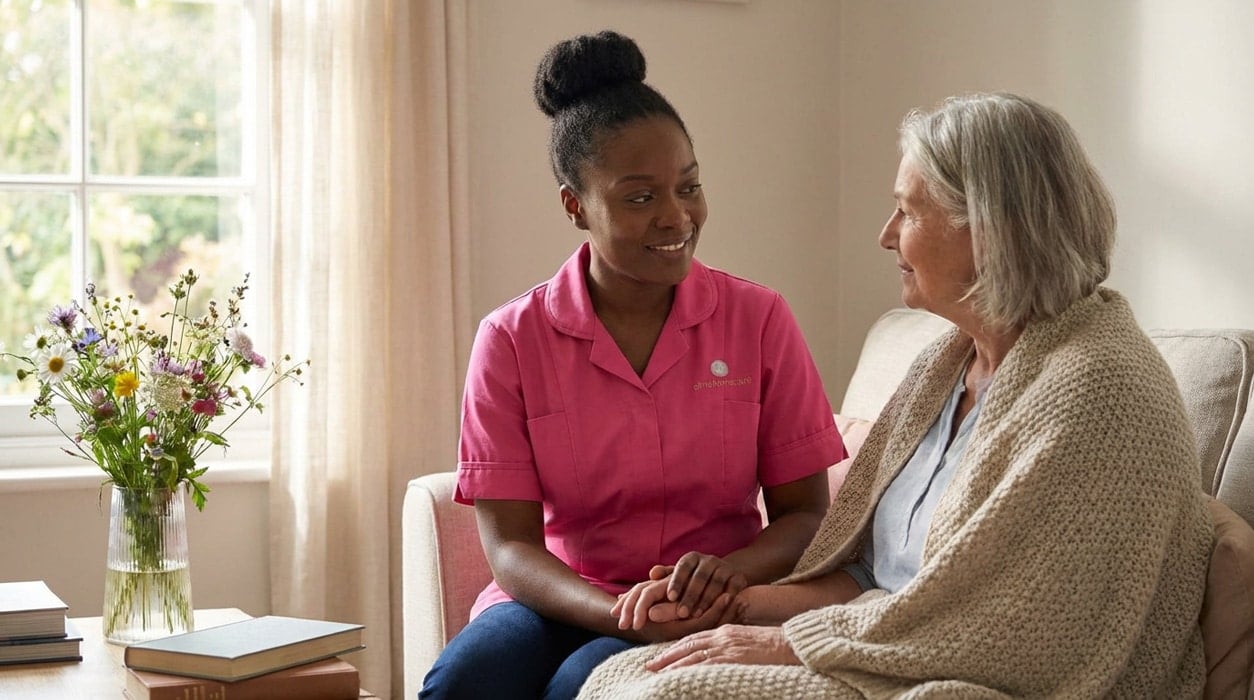
Loneliness is one of the most pressing issues facing older people in the UK today. Over 900,000 older people in the UK are often lonely, with this expected to rise to 1.2 million by 2034.1 For many elderly individuals, loneliness isn’t just an emotional burden – it’s a serious health risk.
At Alina Homecare, we see the impact of loneliness and social isolation in the elderly. Whether it’s someone struggling after a recent bereavement, someone with mobility issues who can no longer attend social gatherings, or an older person who doesn’t have regular visitors, loneliness affects people in different ways and for various reasons.
This guide will help you understand what elderly loneliness is, recognise the warning signs in your loved ones, understand the serious health implications and, most importantly, discover practical ways to help.
Whether you’re a family member concerned about an elderly parent, a friend wanting to support someone, or a carer looking for elderly loneliness solutions, our guide will provide you with the knowledge and tools to help combat elderly loneliness.
Alina Homecare is an award winning Home Care provider operating in the South of England. If you have extra care needs and want to receive support in the comfort and familiarity of the place you call home, we can help. Find your local Team today.
What is elderly loneliness?
Loneliness is a subjective, emotional experience and is felt differently by everyone. It’s the distressing feeling of being alone or disconnected from others, regardless of actual social contact. It’s about the quality of emotional connections with others, rather than the quantity. Anyone can feel lonely, even when surrounded by people, if those relationships lack meaning or emotional connection.
Loneliness is characterised by:
A gap between desired and actual social connections
A sense that nobody understands you
Emotional distress from feeling disconnected
Feelings of emptiness or isolation
Most importantly, loneliness is about how someone feels, not their circumstances.
Understanding loneliness vs social isolation in the elderly
It’s important to understand the distinction between loneliness and social isolation. These terms are often used interchangeably, but they describe different experiences that require different approaches. We’ve covered the definition of loneliness above, but let’s discuss social isolation and how it differs.
Social isolation is the lack of social contacts and infrequent interaction with others. It’s characterised by:
Infrequent contact with family or friends
Lack of participation in community activities or groups
Limited social network or support system
Living alone (although living alone doesn’t always equal social isolation)
The key difference is that an elderly person can be socially isolated without feeling lonely and they can feel lonely without being socially isolated. For example:
If someone is lonely but not isolated, they may need help improving the quality of their existing relationships rather than increasing the quantity.
If someone is isolated but not lonely, they may be content, though still at risk of loneliness if their circumstances change.
If someone is both lonely and isolated, they may need support to build both the quality and quantity of emotional social connections.
What causes loneliness in old age?
According to the mental health organisation, MIND, certain groups of people are more vulnerable to loneliness. This is especially true of elderly people who have:
Disabilities and mental health issues
Hearing and speech impairments that make communication harder
Limited finances
Mobility problems
Few or no friends or family
Anyone, however, can feel lonely and the causes can vary greatly. These could include:
Bereavement and grief
Losing contact with others
Moving away from your home or community
Retirement or loss of purpose
Who is most at risk of elderly loneliness
While anyone can experience loneliness at any age, certain circumstances and life events make older individuals particularly vulnerable. Understanding these risk factors can help you identify when an elderly loved one may need additional support.
Health challenges
Chronic illness
Conditions like diabetes, heart disease, chronic obstructive pulmonary disease (COPD), or cancer can limit energy levels and the ability to participate in activities. Some illnesses also carry sigma or require care routines that make socialising difficult.
Dementia
People with dementia face unique challenges; they may struggle to maintain conversations, forget social engagements or feel anxious in unfamiliar situations. As the condition progresses, friends and family members sometimes withdraw because they find it difficult to interact with the person who has dementia.
Mental health conditions
Depression and anxiety can both cause and result from loneliness, creating a vicious cycle. Older adults with depression often lack motivation to reach out, while anxiety can make social situations feel overwhelming.
Mobility problems
Conditions like arthritis, osteoporosis, stroke recovery or general frailty can make it difficult or impossible to leave the house independently. The physical limitations of growing older often lead to elderly isolation as people miss social clubs, religious services, shopping trips or visits with friends.
Sensory impairments
Hearing loss makes conversations more difficult and exhausting, particularly in group settings or noisy environments. Many older people with hearing loss gradually withdraw from social situations to avoid embarrassment. Additionally, vision loss makes it more difficult to read social cues, recognise faces and navigate unfamiliar places independently, all of which can lead to social withdrawal.
Life transition & loss
Bereavement
The loss of family, a spouse or life partner, is one of the most significant risk factors for loneliness in later life; after decades of companionship, their absence can be devastating. The first year after bereavement is particularly critical, but loneliness can persist for years, especially if the deceased partner was their primary or only social connection. According to Independent Age, more than 1 in 5 people said that loneliness was the hardest thing to cope with after the death of their partner.2
Children moving away
When adult children relocate for work or family reasons, elderly parents can lose regular face to face contact. While phone calls and video calls help, they don’t fully replace in-person connections, particularly for older people who may be less confident with technology.
Loss of friends
As people age, they inevitably experience the loss of friends and peers through death or friends moving away, often to live with family or into residential care. Each loss reduces their social network and reminds them of their own mortality.
Retirement
While retirement can bring feelings of freedom and opportunity, it also means losing daily social interactions with colleagues and the sense of purpose that work provides. For people whose identity was strongly tied to their career, retirement can trigger feelings of senior isolation and loss of meaning.
Living circumstances
Geographic isolation
Elderly people in rural areas face additional challenges due to:
Fewer local services and activities
Further distances to shops, social venues and family or friends
Lack of phone signal or internet access
Limited or no public transport
Living alone
Over 2 million people aged 75 and over in England live alone.3 While living alone doesn’t automatically mean someone is lonely, it’s a significant risk factor, particularly when combined with other challenges. According to Age UK, around 49% of older people say television or pets are their main form of company.4
Loss of driving & poor public transport
For many elderly people, giving up driving marks a significant loss of independence. Without alternative transport, they become independent on others for shopping, appointments or social activities. Even with public transport, it may be unsuitable for older people with mobility issues – such as infrequent services, no accessibility, lack of seating at bus stops and other safety concerns.
Social & economic factors
Financial constraints
Limited income restricts participation in social activities that costs money – transport, eating out, club memberships and other hobbies. Some elderly people are too proud to accept free services or admit they can’t afford certain activities. According to Age UK, nearly 2 million pensioners are living in poverty in the UK5, limiting their ability to heat homes adequately, travel or engage in paid activities.
Lack of digital access or skills
In an increasingly digital world, older people without internet access or digital skills face exclusion. Of the 4.5 million people in the UK who have never been online, 94% are aged 55 and over6, which prevents access to:
Digital healthcare appointments and prescriptions
Online community groups
Online shopping services
Social media connections
Video calls with family and friends
It’s important to note that risk factors can overlap. For example, an elderly person who is recently widowed, has mobility problems, lives in a rural area with no transport and has limited income faces multiple challenges. The more risk factors present, the great the likelihood and severity of loneliness.
The health impact of loneliness in older adults
Loneliness and senior isolation pose serious health risks to both physical and mental health in elderly people, including:
Higher blood pressure
Higher rates of obesity
Increased inflammation and slower wound healing
Increased physical pain and disability
Increased risk of heart disease and stroke – lonely people have a 29% increased risk of coronary heart disease and a 32% increased risk of stroke7
Weakened immune system, making lonely elderly people more susceptible to infections
Faster cognitive decline
Increased anxiety, stress and worry
Increased likelihood of hospital admissions and longer hospital stays
Increased risk of developing dementia – social isolation is found to be associated with a 50% increased risk of dementia8
Lower self esteem and self worth
Reduced sense of purpose and meaning
Significantly higher rates of depression and higher risk of suicide
Earlier admission to residential care
Increased alcohol consumption
Poor medication management
Poor nutrition and less motivation to prepare healthy meals
Poorer sleep quality and insomnia
Reduced physical activity
Despite these serious risks, the health impacts of loneliness are not inevitable. Research shows that interventions to reduce loneliness and increase social connection can improve both mental and physical health outcomes. Small, consistent actions like regular phone calls, community engagement or befriending services can make a significant difference to an elderly person’s health and wellbeing.
Signs your elderly loved one may be lonely
Anxiety
Anxiety that interferes with daily life – such as difficulty sleeping, eating or functioning normally
Constant, excessive worry about everyday things
Panic attacks or sudden episodes of intense fear with physical symptoms – such as racing heartbeat, breathlessness or dizziness
Physical symptoms – such as restlessness, muscle tension, digestive issues or trembling
Social anxiety so severe that they refuse to leave the house or see people
Depression
Changes in appetite, such as eating more or less than usual, noticeable weight loss or gain
Changes in sleep patterns, such as insomnia, waking early or sleeping excessively
Difficulty concentrating or making decisions
Fatigue and low energy
Feelings of worthlessness or guilty e.g. “I’m a burden” or “No one would miss me”
Loss of interest or pleasure in activities they previously enjoyed
Persistent low mood lasting more than two weeks
Physical symptoms without a clear medical cause, such as headaches, digestive problems or persistent pain
Withdrawal from social contact, such as refusing invitations, not answering the phone or avoiding social visits
Please note: Depression in older people can look different from depression in younger adults. Sometimes it manifests as increased irritability or anger, excessive worry about health or finances, memory problems, or physical complaints rather than sadness.
Cognitive decline or dementia concerns
Confusion about time or place, such as not knowing what day it is or getting lost in familiar places
Difficulty with familiar tasks, such as using the phone, making a cup of tea or managing finances they had previously managed well
Memory problems interfering with daily life, such as forgetting conversations, familiar faces or appointments
Personality changes, such as becoming withdrawn or behaving out of character
Problems with language, such as difficulty finding the right words or forgetting the names of common objects
Withdrawal from social activities and once loved hobbies
Severe neglect of self care
Appearing confused, disorientated or unable to care for themselves
Living in unsafe, unsanitary conditions
Not eating adequately, such as an empty fridge or significant weight loss
Not taking prescribed medications correctly
Not washing, changing clothes or maintaining personal hygiene
Thoughts of self harm or suicide
Seek professional medical advice immediately if your loved one expresses thoughts of self harm or suicide. This can present itself as phrases like, “I’d be better off dead”, “I can’t go on”, or “People would be better off without me.” Your loved one may also talk about feeling hopeless or trapped. If their local GP practice is closed or unavailable, call NHS 111. Other free helplines, like Samaritans (call 116 123), are available 24 hours a day and offer a confidential listening service, providing support for anyone in crisis.
Elderly loneliness at Christmas & special holidays
While Christmas and other special holidays are often portrayed as joyful and family-orientated, they can be an incredibly difficult time for older adults experiencing loneliness. These occasions often highlight the absence of loved ones, whether that’s due to bereavement, distance or challenging family dynamics. For many, the festive season can amplify feelings of isolation, especially when social media and advertising showcase togetherness and celebration.
Loneliness during holidays isn’t just emotional; it can impact physical health too, increasing stress and lowering immunity. The pressure to feel merry can make older adults reluctant to share their struggles, leaving them feeling even more disconnected.
However, there are ways to help! Simple gestures like sending a card, making a phone call or inviting someone to join a meal can make a huge difference. Community events, local faith services and charity initiatives often welcome volunteers and guests, offering companionship and a sense of belonging. Encouraging participation in these activities can help older adults feel included and valued.
If you know someone who might be alone during the holidays, reach out. A small act of kindness can turn a lonely season into a time of warmth and connection.
Tips to reduce loneliness during holidays
Create new traditions – small rituals like baking, decorating or watching a favourite film with elderly loved ones make the season feel special
Join community events – many local groups, religious organisations and charities host festive gatherings open to all, so encourage your loved one to attend!
Plan ahead – schedule visits, activities or outings to avoid long periods of isolation
Reach out early – call or visit loved ones before the holiday rush to make plans or simply check in
Use technology – video calls or online social groups can help bridge the gap when in person visits aren’t possible
Volunteer opportunities – if able, helping others can create a sense of purpose and connection
How to help someone who’s experiencing loneliness
While identifying the risk factors is important, it’s equally valuable to recognise what protects against loneliness, such as:
Access to transport
Active participation in community groups or hobbies
A sense of purpose and meaning
Financial security
Good physical and mental health
Internet access and digital skills
Strong connections with family and friends
Technology & digital connection
Technology offers powerful tools for maintaining and building social relationships, particularly when physical distance or mobility issues make face to face contact difficult. While it’s not a replacement for face to face interaction or human touch, digital technology can significantly reduce feelings of isolation by helping elderly people stay connected with loved ones.
Video calling e.g. FaceTime, Teams, WhatsApp, Zoom Video calling offers a more enhanced connection than phone calls, allowing elderly people to see facial expressions, watch grandchildren grow and feel more present in family life. There are many free video calling options available that work on laptops, tablets or smartphones.
Social media e.g. Facebook, Instagram For elderly people willing to learn, social media can provide daily connections and updates from loved ones. Social media platforms allow them to see photographs and updates, reconnect with old school friends, join groups of similar interests, keep up with community news and message loved ones easily. When setting up a social media account, it’s important to keep them safe and check security and privacy settings; most importantly, discuss how to spot scams and suspicious messages, set up strong passwords and encourage them not to accept requests from strangers.
Digital skills training e.g. Age UK Digital Skills Many elderly people may want to use technology but lack the confidence or skills to do so. Fortunately, there are organisations that offer free training and support. Local libraries offer free computer and internet access with one to one sessions or group classes on topics like email, video calling and online shopping. Local Age UK services offer Digital Skills sessions that support older people to develop their skills, safety and confidence online.
Spend quality time together
Making your elderly family member feel loved starts with meaningful interaction. A simple phone call, email or handwritten letter can brighten their day, and if they live nearby, a visit is even better. Technology can also help – teaching them to use video call services allows face to face conversations, even from afar. Many communities and charities offer classes to help older adults learn these tools, making it easier to stay connected.
If you can visit in person, consider sharing special moments like opening presents together or inviting them for dinner. These gestures show care and create lasting memories. The most important thing is to make time for them – especially during the festive season – because your presence is the greatest gift you can give.
Encourage physical activity
Encouraging regular physical activity can significantly reduce feelings of loneliness in older adults. Gentle exercises like walking, yoga or group classes not only improve physical health but also create opportunities for social interaction. Staying active boosts mood, fosters connections and helps maintain independence, enhancing overall wellbeing.
Local walking groups e.g. Ramblers, parkwalk Local walking groups offer a fantastic opportunity for older mobile adults to stay active while connecting with others. Parkwalk, as the name suggests, takes place weekly in parks across the UK. It encourages gentle exercise in a friendly, social environment that helps combat loneliness.
Get a pet
Studies have proven that owning a pet can be beneficial for both physical and mental health. In fact, the PDSA Animal Wellbeing (PAW) Report found that 87% of participants said owning a pet makes them feel less lonely and 91% said owning a pet improves their quality of life.9 Pets give us something positive to focus our mind and energy on, and the responsibility of caring for a pet provides a clear focus, even when life may seem bleak. However, it’s a big responsibility, can last for many decades depending on the pet and is expensive. Think carefully before buying a pet for an elderly loved one whether it can be looked after properly.
If you’re concerned about your loved one caring for a pet, our Care Assistants can help with activities like feeding or taking them for a walk; it’s worth noting this wouldn’t be possible if moving into residential care.
Social activities & groups
Joining social activities or social support groups is one of the most effective ways to combat loneliness in later life. Whether it’s a book club, craft class or local hobby group, these gatherings provide companionship, shared interests, and a sense of belonging that helps older adults feel connected and valued. Local libraries offer free space to sit and read newspapers, as well as computer access and information about local services; some offer social events like book clubs or craft groups. Age UK has local services across England that offer a variety of social activities, including day centres or lunch clubs.
Maintain a consistent routine
Creating and maintaining routines can be an effective way to combat loneliness. Routines can divert focus away from the negative effects of loneliness and provide your loved one with a daily purpose. Daily routines could include small tasks like making the bed or showering, eating lunch and dinner at set times and going outside for a walk. Gardening for the elderly can be particularly effective, even if it’s only a window box or a planter. These daily activities all require concentration and create a sense of accomplishment.
When to seek help: community resources & support services
If you’re concerned about an elderly loved one experiencing loneliness, the UK has a wealth of organisations, helplines and community services specifically designed to support older people. Many of these services are free and staffed by trained volunteers who understand the challenges of loneliness in later life.
While loneliness is not a medical condition, it can lead to serious physical and mental health problems that do require professional medical intervention. It’s important to recognise when loneliness has progressed beyond something that can be addressed through social activities and community support alone.
What support is available
Medical intervention
A medical professional can assess the physical and mental health of older adults and prescribe medication, such as antidepressants or anti-anxiety medication, if appropriate. They can also make referrals to specialist services, like mental health psychologists, psychiatrists, or memory clinics for a dementia assessment.
Social care services
Your loved one’s local authority’s adult social care team can arrange a needs assessment, which is available for anyone who appears to need care. They can arrange Home Care services, day centres or residential care, if appropriate. They may be able to provide equipment or adaptations around the home and arrange safeguarding intervention if someone is at risk of harm or severe neglect.
Elderly befriending services
Elderly befriending services match lonely older adults with trained volunteers for regular companionship. They provide reassurance, support and companionship and are available for home visits, telephone calls or online.
Elderly sitting services
Elderly sitting services provide care or support to older people in their own homes. A day sitter can provide companionship, help with Personal Care tasks or domestic tasks around the home, and is available to keep your loved one company and reduce feelings of loneliness in old age.
National helplines
Age UK Advice Line is a free, national telephone service for older people, as well as their families, friends, carers and professionals. They encourage calls from lonely seniors and provide advice and information every day of the year. Additionally, The Silver Line Helpline is run by Age UK and is a free, confidential telephone service for people aged 55 or over. It’s available 24 hours a day, offering friendship, conversation and support, especially for those who may be experiencing loneliness or isolation.
How Alina Homecare can help combat elderly loneliness
At Alina Homecare, we understand that life can be challenging without someone to talk to regularly. Our professional support is about much more than just practical tasks; it’s about providing companionship and genuine human connection for people experiencing loneliness in old age. Our friendly Companion Carers offer meaningful social interaction that enables your loved one to continue enjoying the things they love most, all in the comfort of home!
We aim to deliver consistent visits from the same Carer, allowing genuine relationships to develop in a supportive environment. Our Carers can regularly visit your loved one for a cup of tea and a chat, a day trip to their favourite place, to attend local activities they enjoy or simply go for a walk in the local park. They can take part in shared activities based on your loved one’s interests, providing a caring presence that reduces feelings of isolation.
Every person’s experience of loneliness is different. That’s why we work closely with you and your loved ones to create a care plan that addresses individual needs, including challenges like mobility or bereavement. We provide emotional support to enable loved ones to stay comfortable, independent and safe at home. We also offer Overnight Care for those feeling lonely in the evenings or at night. Following bereavement, the dark quiet hours can be particularly difficult.
Our Carers are carefully selected, not just for their professional skills, but for their warmth, patience and genuine interest in the people they support. Many of our clients’ reviews tell us their Carer has become a cherished friend – someone they look forward to seeing, who brightens their day and genuinely cares about their wellbeing.
Quick questions
What is the difference between loneliness and social isolation in older adults?
Loneliness is the emotional feeling of being alone or not having meaningful connections, even if surrounded by others. Social isolation, on the other hand, is the objective state of having few social contacts or non-regular social connections.
How many elderly people in the UK suffer from loneliness?
Around 940,000 people aged 65 and over in the UK often feel lonely. An additional 5.8 million older adults report feeling lonely at least sometimes. Approximately 270,000 go a week without speaking to family or friends.10
What are the health risks of loneliness in old age?
Loneliness raises health risks significantly, including a 29% increased risk of coronary heart disease, 32% higher risk of stroke, 25% greater change of dementia, as well as increased rates of depression, anxiety, frailty and weakened immune system.11
What elderly loneliness solutions are available in the UK?
The UK offers a range of support services, including:
Elderly befriending services
Elderly sitting services
Medical intervention
National helplines e.g. Age UK Advice Line, The Silver Line
Social care services
How can I tell if my elderly parent is lonely?
Warning signs of elderly loneliness include:
Altered sleep patterns and unexplained aches
Expressing feelings of senior isolation or seeking reassurance
Mood changes e.g. sadness, irritability
Neglecting personal hygiene or loss of appetite
Withdrawal from hobbies or social activities
Receive our newsletter!
Our free monthly email brings you valuable information about elderly support to help you care for your loved ones.
You can unsubscribe at any time. For more details, view our Privacy Promise.