Carers discounts and grants: what you can claim in 2026
Caring for someone costs more than time. This guide brings together the Carers discounts, benefits, free tickets and grants available in 2026, with current rates and how to claim each one.
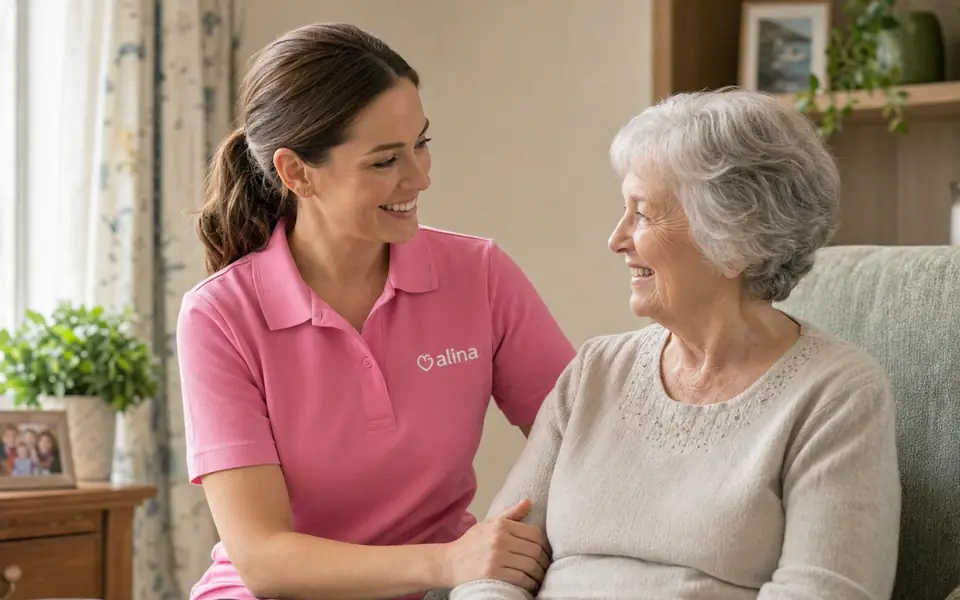
Unpaid Carers can claim Carer’s Allowance of £86.45 a week if they care for at least 35 hours a week and earn £204 a week or less after deductions. You may also get a council tax discount if you live with the person you care for, free companion tickets at cinemas, theme parks and heritage sites, a free NHS flu jab and grants through your council or local carers centre. A free Carer’s Assessment from your council is the best place to start.
If you look after a parent, partner, child or friend who couldn’t manage without you, you’re a Carer, whether or not you call yourself one. Caring usually means higher bills, less time to work and very little time off. In Carers UK’s State of Caring 2025 survey, almost half of Carers (49%) said they had cut back on essentials such as food and heating.4
There’s more help available than most people realise, but it’s spread across the DWP, your council, energy suppliers, charities and hundreds of businesses. This guide puts it in one place, starting with the support worth the most money and finishing with everyday discounts. We refreshed it for Carers Rights Day on 19th November 2026, with every rate checked for 2026/27.
Who counts as a Carer?
You don’t need to be paid, live with the person or care full time to be a Carer. You’re a Carer if you regularly help someone who is ill, disabled, frail in later life, or living with a mental health condition or addiction. That help could be personal care and medication, or shopping, paperwork, lifts to appointments and keeping them company. If you’ve recently started helping a parent more, our guide to the signs an elderly parent needs help can help you judge how much support they need.
- Unpaid CarersFamily, partners, friends and neighbours who give care without being paid. Most of the help in this guide is for you.
- Parent CarersParents of a disabled or seriously ill child. You can claim Carer’s Allowance and apply for grants such as the Family Fund.
- Young CarersUnder 18s who help look after someone. Ask the school or your local carers centre about young Carer support and ID cards.
- Paid care workersCarers employed by a care provider, council or charity. You get different perks, covered in discounts for paid care workers.
How to prove you’re a Carer
There’s no single national Carer ID, so businesses ask for different proof. It helps to keep copies of these together:
- A Carer’s Allowance or Universal Credit award letter
- A letter from your GP or local carers centre confirming your caring role
- A Carer’s Card from your council or carers centre, if your area offers one
- The award letter for the disability benefit the person you care for gets, such as PIP, Attendance Allowance or DLA
- For paid Carers, your work ID badge or a recent payslip
Many “free Carer tickets” are really companion tickets for the disabled person, so the card or proof is in their name, not yours. That includes the CEA Card for cinemas and the National Trust Essential Companion pass.
Benefits to check first
Benefits are worth far more than any discount code, so start here. These are the main payments for Carers in England and Wales for 2026/27.
| Benefit | What you get | Who can claim |
|---|---|---|
| Carer’s Allowance | £86.45 a week, paid weekly or every four weeks.1 The DWP has proposed a rise to £89.50 a week from April 2027.5 | People aged 16 or over who care for at least 35 hours a week for someone getting a qualifying disability benefit, earn £204 a week or less after tax, National Insurance and allowable expenses and aren’t in full-time education. |
| Carer Element of Universal Credit | £209.34 a month on top of your Universal Credit.6 | Universal Credit claimants with regular and substantial caring for a severely disabled person, usually 35 hours a week. It isn’t added automatically, so report your caring role in your journal. |
| Carer’s Credit | National Insurance credits that protect your State Pension. | Carers who care for 20 hours or more a week and don’t get Carer’s Allowance, for example because they earn over the limit. |
| Underlying entitlement | An extra amount in Pension Credit, Housing Benefit or Council Tax Reduction, often called the carer addition or carer premium. | Carers who qualify for Carer’s Allowance but can’t be paid it because they get the State Pension or another overlapping benefit. You still need to claim Carer’s Allowance to unlock it. |
Check the person you care for is claiming everything they’re entitled to as well. Carer’s Allowance depends on them getting a benefit such as Personal Independence Payment, Attendance Allowance or the care part of Disability Living Allowance, and these also unlock many of the discounts below. Our guides to PIP eligibility and Attendance Allowance explain how to claim. These benefits can also go towards support at home, as our guide to the cost of Home Care explains.
In Scotland, Carer Support Payment has replaced Carer’s Allowance, and Social Security Scotland also pays a Scottish Carer Supplement automatically, plus a Carer Additional Person Payment if you care for more than one person.
Had a Carer’s Allowance overpayment?
The DWP is reassessing more than 200,000 overpayment cases linked to unclear guidance on averaging earnings, and around 25,000 Carers could see debts reduced, cancelled or refunded.7 The Carers UK helpline can talk you through it on 0808 808 7777.
Council tax discounts for Carers
Council tax is one of the biggest bills a Carer can reduce, but none of these discounts is applied automatically. Ask your council about each one.
- The Carer disregardIf you live with the person you care for, give at least 35 hours of care a week and aren’t their partner or the parent of a child under 18, you aren’t counted for council tax.8 The person you care for usually needs a qualifying disability benefit, but you don’t need to get Carer’s Allowance.
- Severe mental impairmentSomeone with dementia or another condition that severely affects memory or understanding can also be disregarded, with a doctor’s certificate and a qualifying benefit. If they live alone, their home can be exempt.
- Disabled Band ReductionIf the home has an extra bathroom, kitchen or room, or extra space for a wheelchair, that a disabled person needs, the bill can be charged one band lower.
- Council Tax ReductionA separate means-tested scheme for households on a low income. Each council runs its own version, so check the rules where you live.
Being disregarded doesn’t always mean paying nothing. If only one adult in the home is still counted, the bill drops by 25%. If everyone is disregarded, the discount can rise to 50%. Care workers who live in can be disregarded too if they’re employed by a council, charity or government body, work at least 24 hours a week and earn no more than £44 a week for it.
If you’re caring for someone with dementia, our guide to dementia help and support covers more of the help available.
If you’ve moved in with a parent to look after them, our guide to living with elderly parents covers bills, space and the practical side of sharing a home.
Help with energy and household bills
There’s no automatic energy discount for being a Carer, but several schemes are aimed at the households Carers live in. Keeping the home warm matters too, as our guide to why older people feel the cold explains.
- Warm Home Discount£150 off your electricity bill for winter 2026/27. Most people getting a means-tested benefit such as Pension Credit or Universal Credit on 23 August 2026 get it automatically.9
- Priority Services RegisterFree with every energy and water supplier. You get warning of planned power cuts, extra help if your supply stops and can nominate someone to receive bills. Register yourself and the person you care for.
- Broadband and phone social tariffsCheaper packages, typically £12.50 to £20 a month, for people on Universal Credit, Pension Credit and some other benefits. You can switch without an exit fee.10
- Help with water billsMost water companies have a social tariff for low-income households, and WaterSure caps metered bills for some families on benefits who use extra water because of a medical condition.
- Crisis and Resilience FundReplaced the Household Support Fund in England on 1 April 2026 and runs until March 2029. Councils use it for crisis payments towards food, energy and essential household items.11
- Supplier hardship fundsMost large energy suppliers run grant schemes or charitable trusts that can clear energy debt. Ask your supplier or an advice charity which ones you can apply to.
Carer’s Allowance on its own doesn’t usually qualify you for the Warm Home Discount or most social tariffs, because they’re linked to means-tested benefits. Universal Credit or Pension Credit with a carer element usually does.
Grants for Carers
Grants don’t need paying back. Most are small and one-off, but they can pay for a break, a washing machine, a laptop or help with debts. These are the main places to apply, in the order we’d try them.
- Your council’s Carer’s Assessment. Every Carer in England can ask for a free assessment of their own needs, even if the person they care for doesn’t get council support. It can lead to a Carer’s personal budget, a direct payment or replacement care so you can take a break. Find out how Carer’s Assessments work.
- Your local carers centre and Carers Trust. Carers Trust funds grants through its local network partners, usually for Carers registered with them.12 Local centres also know about small funds that are never advertised nationally.
- A grants search. Turn2us lets you search hundreds of charitable funds by circumstances, past jobs, health condition and where you live. Search in your own name and in the name of the person you care for.
- The Crisis and Resilience Fund. For emergencies such as an empty fridge, a broken cooker or energy debt. Apply through your council.
- Condition and family charities. The Family Fund helps low-income families raising a disabled or seriously ill child. Charities such as Macmillan Cancer Support, and many armed forces and trade benevolent funds, offer grants too.
- A Disabled Facilities Grant. A council grant towards adaptations such as a stairlift, level-access shower or ramp in the home of the person you care for. Check eligibility on GOV.UK.
In Wales, the Welsh Government’s Carers Support Fund gives unpaid Carers vouchers and essentials through local carer organisations. In Scotland, ask your local carers centre about short break grants.
Carers discount cards and schemes compared
You usually don’t need to pay for a Carer card. These are the main schemes and what each is good for.
| Scheme | What you get | Cost and who can join |
|---|---|---|
| CarerSmart from Carers Trust | Cashback with major retailers, savings on insurance, holidays and travel, and free or discounted legal advice. | Free. Unpaid Carers and people with care needs. |
| Discounts for Carers | Online codes, vouchers and cashback on shopping, holidays, utilities and days out. | Free. Paid and unpaid Carers. |
| Carers UK membership | Advice and updates, plus proof of caring that some leisure operators accept for concession rates.13 | Free. Unpaid Carers. |
| A local Carer’s Card | Carer ID and discounts with local shops, cafés and leisure centres, sometimes with an emergency contact card. | Usually free from your council or carers centre. Not every area has one. |
| Paid Carer ID cards | Photo ID and app-based discounts, for example Carers Card UK or the Forward Carers Carer Friendly card. | A small fee. Check where it’s accepted before you pay. |
| Blue Light Card | Thousands of online and high street discounts. | £4.99 for two years. Paid social care workers, not unpaid Carers. |
Two tips before you sign up. Compare any Carer offer with the public price first, because cashback only saves money on things you were going to buy anyway. And ask in person, because many independent shops, cafés and attractions give Carer discounts they don’t advertise.
Free days out and companion tickets
Many attractions let an essential Carer in free when they come with the disabled person. You’ll usually need to book a companion ticket in advance and bring proof, such as a benefit letter, Blue Badge or Access Card. Policies change, so check the venue’s access page before you go.
Heritage sites, gardens and the outdoors
- National Trust: up to two Carers or companions go free. Ask for a free Essential Companion pass on 0344 800 1895 to make entry quicker. The person you care for pays as normal unless they’re a member.14
- English Heritage: a companion goes free. Choose the essential companion ticket when you book, and no proof of disability is needed.15
- Cadw in Wales: disabled visitors and a companion get in free.
- RHS gardens such as RHS Wisley let a Carer in free with proof.
Cinemas and theatres
- CEA Card: costs £6.50 a year and gets a companion a free ticket at around 90% of UK cinemas, including Cineworld, Odeon and Vue.16 The card is in the disabled person’s name and needs proof such as PIP, DLA or Attendance Allowance, or registration as sight impaired.
- Accessible screenings: relaxed, autism-friendly, subtitled and audio described screenings are listed on most cinema chains’ websites.
- Theatres: most large theatres offer free or half-price companion seats through an access scheme. Join once and it’s saved for future bookings.
Theme parks, zoos and wildlife parks
- Theme parks such as Alton Towers, Thorpe Park, Chessington, Legoland Windsor and Paultons Park offer an essential companion ticket, often alongside a ride access pass. Expect to send proof before your visit.
- Zoos including Marwell, Paignton, Chester, London and Whipsnade admit an essential Carer free or at a reduced price.
Museums, sport and experiences
- Museums: national museums are free for everyone, and paid exhibitions often include a free Carer ticket.
- Paid attractions such as Madame Tussauds and many aquariums offer a free Carer ticket when you book.
- Sport and leisure: football and rugby clubs, swimming pools and leisure centres often let a Carer in free with a disabled supporter or swimmer.
- The Access Card records the disabled person’s needs once and is accepted by many venues, so you don’t have to explain each time.
Looking for ideas? Our guide to activities for older people has plenty of low-cost days out.
Travel and transport discounts
- Disabled Persons Railcard£20 a year or £54 for three years, for a third off fares for the holder and one adult companion. Since 2026, Blue Badge holders, disabled bus pass holders and people who can’t drive for medical reasons can apply too.17
- Disabled bus passFree off-peak local bus travel in England, and free at any time of day from 1 April 2027.18 Some councils add a companion pass so a Carer travels free too. Apply through GOV.UK.
- Blue BadgeLets you park closer when you’re driving or collecting the person you care for. The badge is theirs, so it only applies when they’re with you. Apply on GOV.UK.
- Vehicle taxFree if the person you care for gets the higher or enhanced rate of the mobility part of DLA or PIP, or half price with the standard rate of PIP mobility. The car must be registered to them or to you as their nominated driver.
- Carer parking permitsMany councils issue permits so you can park near the home of the person you care for while you visit. Ask your council’s parking team.
- Hospital Carer’s PassportsMany NHS hospitals offer free or cheaper parking, flexible visiting and meal discounts to Carers who sign up for a Carer’s Passport. Ask the ward or the patient advice team.
Free health and wellbeing support for Carers
It’s easy to put your own health last. These are free and worth claiming.
- A free NHS flu jab. You’re eligible if you’re the main Carer for an older or disabled person, or get Carer’s Allowance. In England, Carers could book from 1 October 2026, so ask your GP surgery.19
- Tell your GP you’re a Carer. It can mean more flexible appointments, health checks and referrals, and the government’s Unpaid Carers Action Plan includes flagging Carers on the NHS App.20
- Gym and swim concessions. Better and Everyone Active offer Carer concession rates and accept Carers UK membership as proof.13
- NHS Talking Therapies. Refer yourself for free help with stress, anxiety or low mood.
- Legal advice. CarerSmart members get free and discounted legal advice, useful for Lasting Power of Attorney and care funding questions.
Free advice on benefits, your rights and Carer’s Assessments.
0808 808 7777Free, confidential support any time of day if you’re struggling to cope.
116 123Feeling exhausted, low or short-tempered most days can be a sign of carer burnout. Our guide explains the signs and what helps.
Your rights at work as a Carer
Around 600 people a day give up work to care.21 Before you cut your hours, check what the law and your employer already give you.
- Carer’s Leave: up to one week of unpaid leave every 12 months to give or arrange care, from your first day in the job.22
- Flexible working: you can ask for different hours, compressed hours or home working from your first day. How to apply.
- Time off for dependants: reasonable unpaid time off to deal with an emergency involving someone who depends on you.
- Protection from discrimination: the Equality Act protects you from being treated unfairly because of your link to a disabled person.
The government consulted on paid Carer’s Leave and a longer leave entitlement in summer 2026, and its response is expected around early 2027.23 Many employers already offer paid Carer’s Leave, so check your staff handbook.
Breaks and Respite Care
Over half of Carers (52%) say their caring hours have gone up in the past year.4 Regular breaks aren’t a luxury. They’re what lets you keep caring without reaching breaking point.
- Council-funded replacement careIf your Carer’s Assessment shows you need a break, the council may arrange or pay for care for the person you look after while you’re away.
- Local carers centresMany run short breaks, wellbeing days and sitting services, and some have small grants towards a holiday.
- Respite Care at homeA trained Carer steps in at home for a few hours a week, or a Live-in Carer stays while you’re away, so the person you care for keeps their routine while you rest.
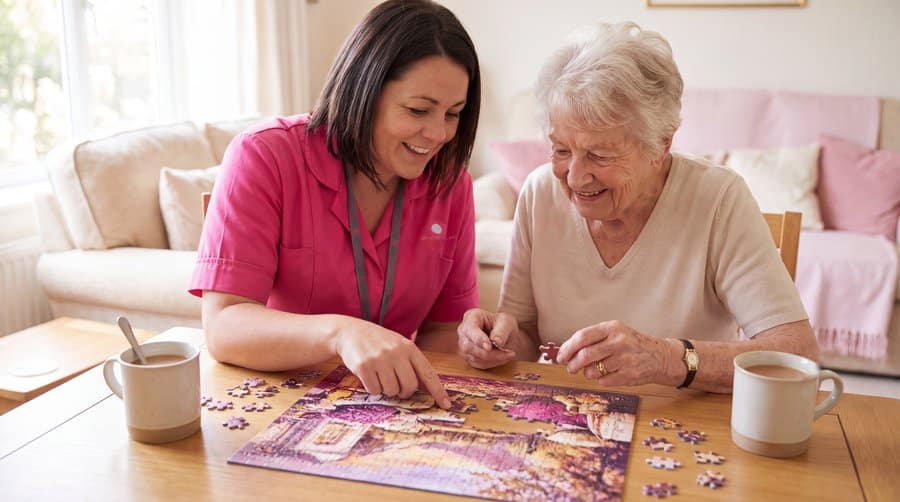
At Alina Homecare, our Respite Care can be a regular few hours each week or cover while you go on holiday, and our Carers follow the routines you’ve set. Our guide to the cost of Respite Care explains typical prices, and the person you care for may be able to put their Attendance Allowance or PIP towards it.
Find your local Alina Homecare team
Enter a postcode to see the team nearest to the person you care for.
Prefer to read first? Request our Home Care brochure
Your Carer savings checklist
Work through these ten steps in order. Tick each one off as you go and your progress is saved on this device.
Discounts for paid care workers
If you work in social care, you can join the Blue Light Card for £4.99 for two years with your work ID or a payslip, and Discounts for Carers for free. Frontline care workers can also get a free flu jab through their employer or a pharmacy.
At Alina Homecare, our Care and Support Workers get hundreds of staff discounts and cashback offers with big brands, plus free, confidential 24/7 wellbeing support. If you’ve looked after a family member and want to make caring your career, read about the role of a Care Assistant or apply to join our team.
Frequently asked questions
What discounts can unpaid Carers get?
Unpaid Carers can get free companion tickets at cinemas, theme parks, zoos and heritage sites, a council tax discount if they live with the person they care for, shopping discounts and cashback through free schemes such as CarerSmart and Discounts for Carers, a free NHS flu jab and concession rates at some gyms. Many local businesses also give a discount if you ask.
How much is Carer’s Allowance in 2026?
Carer’s Allowance is £86.45 a week from April 2026 to April 2027. The DWP has proposed a rise to £89.50 a week from April 2027. You can earn up to £204 a week after tax, National Insurance and allowable expenses and still get it.
Can I work and get Carer’s Allowance?
Yes, as long as you earn £204 a week or less after tax, National Insurance, half of any pension contributions and some care costs. If you earn even £1 over the limit you lose that week’s payment, so keep an eye on overtime and bonuses.
Do Carers get a council tax discount?
You can be disregarded for council tax if you live with the person you care for, care for at least 35 hours a week and aren’t their partner or the parent of a child under 18. The person you care for usually needs a qualifying disability benefit. Being disregarded can cut the bill by 25% or more. Apply to your council.
How do I prove I’m a Carer?
Most businesses accept a Carer’s Allowance award letter, a letter from your GP or carers centre, a local Carer’s Card or the disability benefit letter of the person you care for. For companion tickets, the proof is usually in the disabled person’s name.
What grants are available for Carers?
Start with a free Carer’s Assessment from your council, which can lead to a Carer’s personal budget. Then ask your local carers centre about Carers Trust grants, search Turn2us and apply to your council’s Crisis and Resilience Fund in an emergency. Families raising a disabled child can apply to the Family Fund.
Is there a Carers discount card?
There’s no single national card. Free options include CarerSmart from Carers Trust, Discounts for Carers and a local Carer’s Card from your council or carers centre where one exists. Paid Carer ID cards are also available, but check where they’re accepted before you pay.
Can unpaid Carers get a Blue Light Card?
No. The Blue Light Card is for paid workers, including social care workers. Unpaid Carers can join free schemes such as CarerSmart from Carers Trust and Discounts for Carers instead.
Is there a railcard for Carers?
There’s no railcard just for Carers, but with a Disabled Persons Railcard the holder and one adult companion each get a third off. The railcard costs £20 a year, and more people became eligible in 2026, including Blue Badge holders.
Do Carers get a free flu jab?
Yes. Unpaid Carers, including people who get Carer’s Allowance, can have a free NHS flu jab every autumn. Ask your GP surgery to book.
Can I get help paying for a break from caring?
Yes. Your council may fund replacement care after a Carer’s Assessment, the charity Carefree offers free hotel breaks to unpaid Carers who care for more than 30 hours a week and many local carers centres run short break schemes. Respite Care at home lets a trained Carer step in while you rest.
References
- GOV.UK, Proposed benefit and pension rates 2026 to 2027
- Carers UK, Government confirms benefit increases for 2026/27 including rise in Carer’s Allowance and earnings threshold
- Carers UK, Key facts and figures about caring
- Carers UK, State of Caring 2025: the cost of caring
- Benefits and Work, Official benefits uprating amounts for 2027 to 2028
- GOV.UK, Universal Credit: what you’ll get
- GOV.UK, Unpaid carers impacted by unclear guidance to have debts cancelled
- GOV.UK, Council Tax: who has to pay
- GOV.UK, Warm Home Discount Scheme
- Ofcom, Social tariffs: cheaper broadband and phone packages
- Hull City Council, Crisis and Resilience Fund (1 April 2026 to 31 March 2029)
- Carers Trust, CarerSmart discount club and grants
- Carers UK, Health and wellbeing discounts
- National Trust, Access for everyone and the Essential Companion pass
- English Heritage, Visit FAQs
- MoneySavingExpert, Cinema deals, tips and tricks (CEA Card)
- Disabled Persons Railcard, Expansion to the eligibility criteria
- GOV.UK, Free bus travel 24/7 for disabled people
- NHS, Flu vaccine
- GOV.UK, Unpaid carers action plan: recognise, refer, reach
- Carers UK, Unpaid carers are increasingly caring for longer hours each week
- GOV.UK, Carer’s leave
- GOV.UK Social Care blog, Backing Britain’s carers: proposed new rights in the spotlight
- Carefree, Am I an unpaid carer?
Time for yourself, while we look after things at home
- Respite Care from a few hours a week
- Carers trained in Dementia Care
- Follow care in real time with our app